Non-Toxic Baby Products: What Materials to Pick
JSYAS Baby Team · 06/09/2026
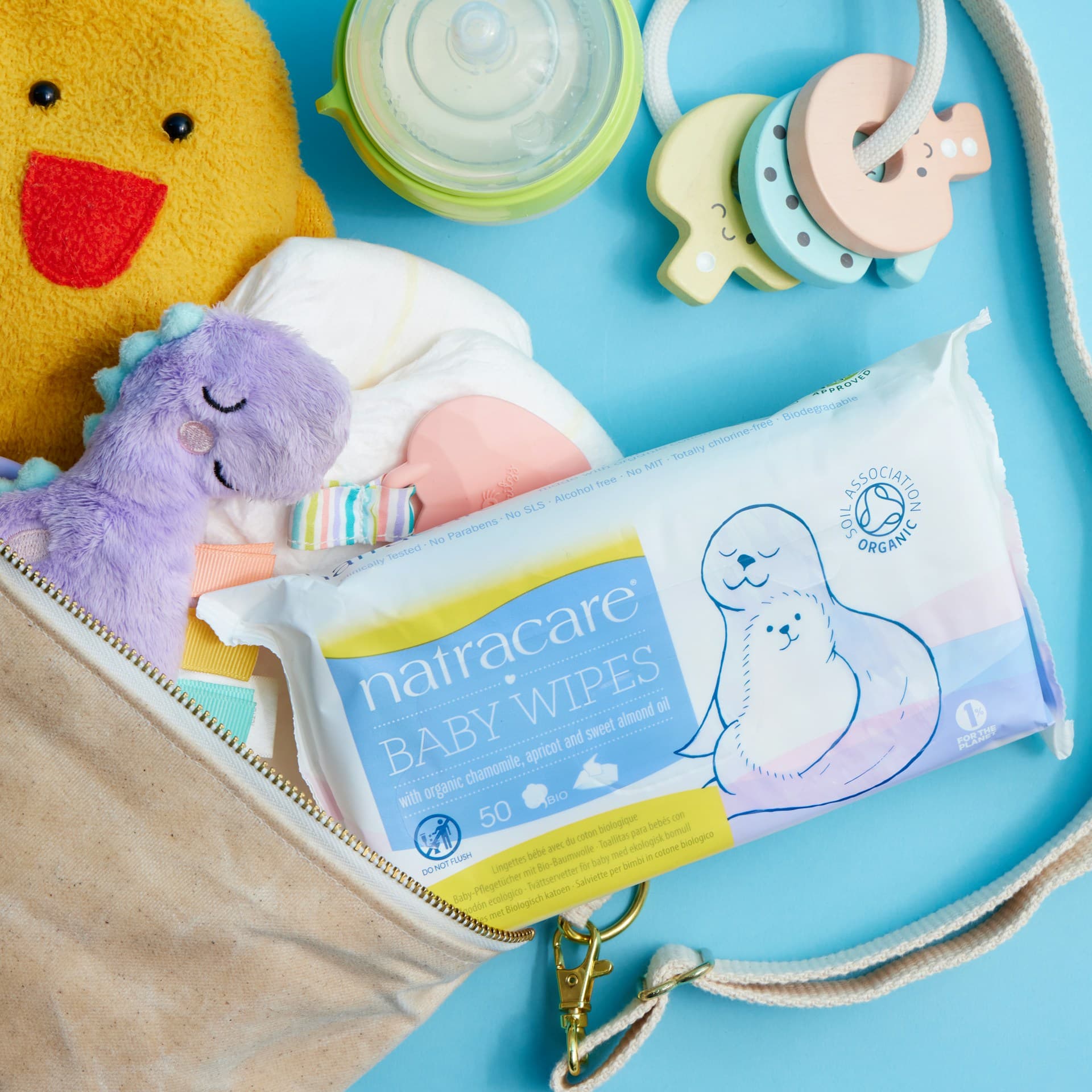
"Non-toxic" has become one of the most overused words on baby product packaging, to the point where it barely tells you anything on its own. What actually matters is the material underneath the label — and a handful of materials show up again and again across genuinely safer baby products for good, verifiable reasons.
A quick note: this guide covers general material-safety information, not a substitute for medical advice — check with your pediatrician about any specific product concerns.
Why Material Choice Matters More Than the Label "Non-Toxic"
Almost any product can print "non-toxic" on its packaging without much oversight, so the label alone isn't a reliable filter. What actually determines safety is the base material and how it's processed — whether it can leach chemicals under heat, saliva, or repeated washing, and whether it's free of specific concerning additives like BPA, phthalates, or PVC. Knowing the handful of materials that consistently perform well makes label-reading far less overwhelming.
Food-Grade Silicone: What Makes It Safe
Food-grade silicone has become the default material for modern teethers, feeding gear, and bottle components, and for good reason:
- It's made from silica, a naturally occurring substance derived from sand, rather than petroleum-based plastic.
- Genuine food-grade silicone is BPA-free, PVC-free, and phthalate-free by nature, not just by removal.
- It withstands heat well, including sterilizing and dishwasher cycles, without breaking down the way some plastics can.
- It's naturally resistant to holding onto odors or bacteria, which matters for anything that goes in a baby's mouth repeatedly.
Not all silicone is equal, though — "food-grade" or "medical-grade" silicone is the standard worth looking for specifically, rather than assuming any silicone-labeled product meets the same bar.
Natural Wood and Rubber Alternatives
For parents leaning toward fewer synthetic materials altogether, two natural options show up consistently in safer product lines:
- Untreated or naturally finished wood — common in teethers and some feeding tools, wood avoids synthetic materials entirely, though it's worth confirming any finish used is food-safe rather than a standard varnish.
- Natural rubber — derived from rubber tree sap rather than synthetic latex, this is another material that avoids the petroleum-based plastic category, though it's worth checking for a genuine latex allergy in the family before choosing it.
Both require slightly more care than silicone (wood shouldn't be soaked for long periods, and natural rubber degrades faster than silicone over time), but they're solid choices for parents specifically avoiding synthetic materials.
Glass and Stainless Steel for Bottles and Feeding Gear
For bottles and feeding equipment specifically, two materials consistently outperform standard plastic:
- Glass — completely inert, doesn't leach anything regardless of heat or age, though it requires more careful handling and is heavier for little hands as babies start self-feeding.
- Stainless steel — nearly as inert as glass, more break-resistant, and increasingly common in insulated sippy cups and feeding sets for older babies and toddlers.
A silicone sleeve over a glass bottle is a common practical compromise, combining the inertness of glass with a grippier, more drop-resistant exterior.
Materials Worth Avoiding
A few categories are worth actively steering away from where alternatives exist:
- PVC and vinyl — historically linked to phthalates used as softening agents, largely avoidable now given how widely available silicone and rubber alternatives are.
- Unlabeled "BPA-free" plastics — BPA-free doesn't automatically mean chemical-free; some replacement chemicals used in BPA-free plastics have raised similar concerns, so it's not an automatic green light on its own.
- Products with no material specified at all — if a listing doesn't clearly state what a product is actually made from, that's often a bigger red flag than any specific material.
If you're already thinking about material safety for clothing, our organic cotton vs. regular cotton guide and our hypoallergenic baby clothing guide cover the same principle applied to fabric. Browse our baby care essentials for pieces chosen with material safety in mind.
Frequently Asked Questions
Is silicone actually safe for babies?
Food-grade or medical-grade silicone is generally considered a safe choice — it's BPA-free, phthalate-free, and doesn't break down easily under heat, which is why it's become the standard material for modern teethers and feeding gear.
What does "BPA-free" actually mean?
It means the product doesn't contain bisphenol A specifically, but it doesn't guarantee the absence of all potentially concerning chemicals, since some replacement materials used in BPA-free plastics have raised their own questions. It's a helpful data point, not a complete safety guarantee on its own.
Are wooden teethers safe for babies?
Yes, generally, as long as the wood is untreated or finished with a genuinely food-safe coating rather than standard varnish or paint. Wooden teethers should also be inspected regularly for cracks or splintering.
Is glass or plastic better for baby bottles?
Glass is chemically inert and doesn't leach anything over time, making it a strong choice from a pure material-safety standpoint, though it's heavier and requires more careful handling than plastic or silicone alternatives.
How can I tell if a baby product is genuinely non-toxic?
Look past the word "non-toxic" itself and check what the product is actually made from — food-grade silicone, untreated wood, natural rubber, glass, or stainless steel are all materials with a consistent safety track record, regardless of what marketing language appears on the packaging.
Material choice matters more than any single label — a handful of genuinely well-understood materials (food-grade silicone, natural wood, rubber, glass, stainless steel) cover most of what a baby actually needs, without relying on marketing claims to do the work for you.
A quick note: this guide covers general material-safety information, not a substitute for medical advice — check with your pediatrician about any specific product concerns.
Keep Reading
Newborn's First Bath: When and How to Start
A calm, practical guide to a newborn's first bath — when to start, sponge vs. tub baths, and UAE family bathing traditions worth knowing.
How to Wash Organic Baby Clothes: A Care Guide
A practical washing and care routine for organic cotton baby clothes, from the crucial first wash to keeping them soft wear after wear.
Baby's First Haircut: When and How to Do It
A calm, practical guide to your baby's first real haircut — the right age, cultural traditions, and tips for keeping the moment a good one.