Newborn's First Bath: When and How to Start
JSYAS Baby Team · 06/09/2026
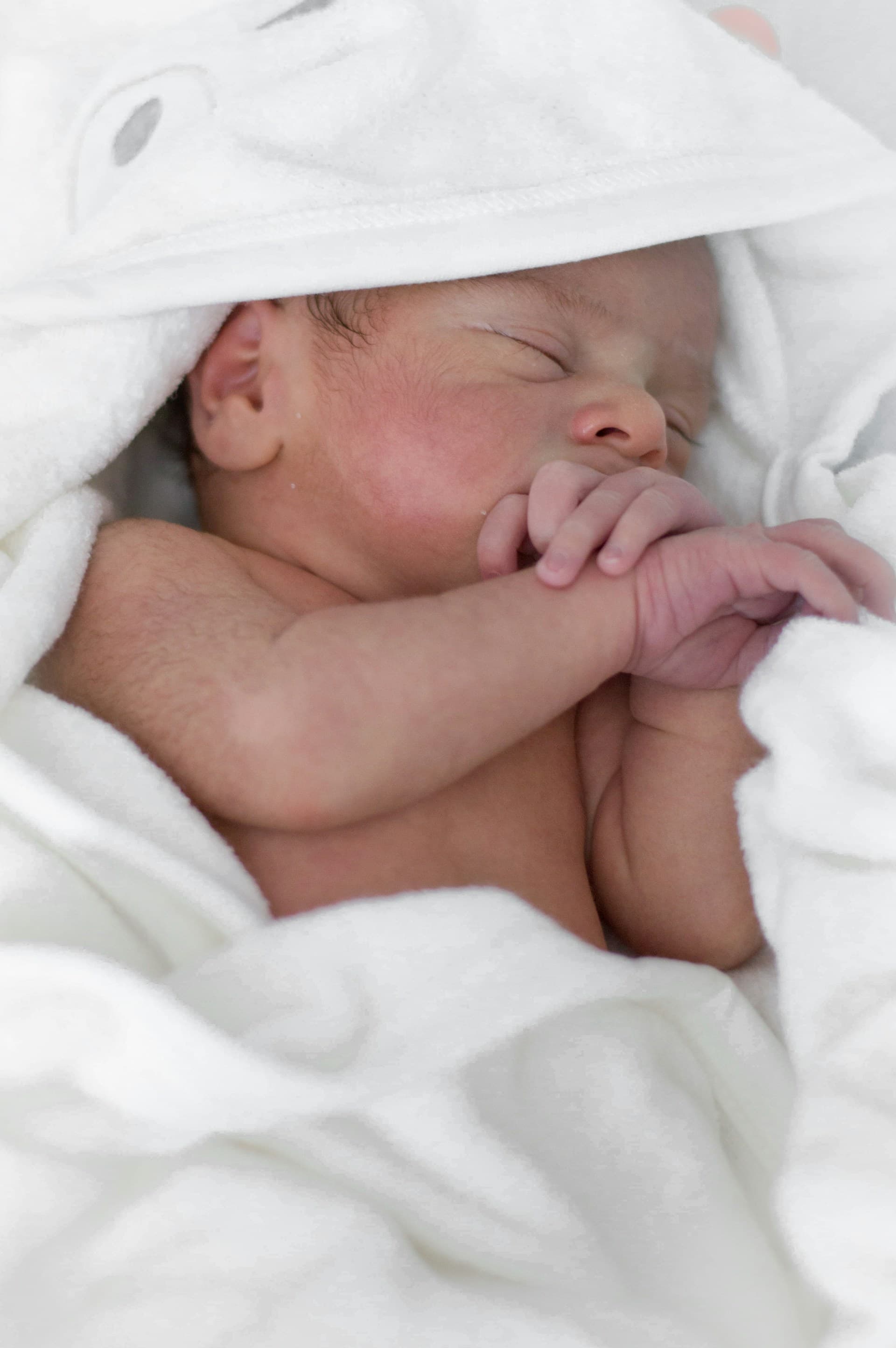
Somewhere between the hospital and your first week home, a question new parents don't expect quietly becomes urgent: when do we actually give this baby a bath? There's no single universal answer — medical guidance, family tradition, and plain nervousness about handling a slippery newborn all pull in different directions. Here's how to think about it.
This guide shares general newborn care practices and cultural traditions for comfort and knowledge — it is not medical advice. Always consult your pediatrician or midwife before trying anything new with your newborn.
Why the First Bath Isn't Urgent
It's common to assume a newborn needs bathing right away, but most guidance actually points the other way. Waiting at least the first 24 hours (and often a few days) before the first bath gives your baby's body time to adjust to being outside the womb and lowers the risk of the baby getting too cold. It also lets the vernix — the waxy, protective coating many babies are born with — stay on the skin longer, since it has natural protective properties. There's no rush, and a delayed first bath is not a sign you're behind on anything.
Sponge Baths First, Tub Baths Later
Until your baby's umbilical cord stump falls off and the area has fully healed — usually somewhere around 10-14 days — sponge baths are the safer, more practical option rather than submerging your baby in water:
- Use a bowl of lukewarm (not hot) water, a soft washcloth, and a mild, fragrance-free baby soap only where needed.
- Undress and wash one area at a time, keeping the rest of your baby wrapped in a towel to stay warm — newborns lose heat quickly once undressed.
- Wash the face and scalp first, then the rest of the body, saving the diaper area for last.
- Keep one hand on your baby at all times — newborns are more slippery wet than you expect.
Once the cord area has healed, you can move to a proper tub bath in a few inches of warm water, always testing the temperature on your own wrist or elbow first.
First-Bath Traditions Across UAE Households
The UAE's mix of communities means "the right way" to handle a newborn's first bath looks different from home to home, and none of them are wrong:
- In many Arab and Islamic households, family involvement is central — grandmothers or senior female relatives often guide or assist with a baby's early baths, treating it as a shared family moment rather than a solo parenting task.
- In South Asian households, a warm oil massage is sometimes given just before bathing, believed to support circulation and settle the baby before sleep — worth discussing with your pediatrician if you'd like to try it, since technique and oil choice both matter for newborn skin.
- Some families deliberately delay the very first proper bath by several days as a matter of custom, aligning with the same "no rush" approach modern guidance also supports.
Whichever practice your family follows, the underlying goal is the same: a calm, unhurried introduction to bathing rather than a rigid schedule.
What to Actually Have Ready Beforehand
A few basics make the first few baths far less stressful:
- A hooded baby towel, so you can wrap and dry your baby's head immediately after
- A soft washcloth and a bowl (for sponge baths) or an infant bath support/tub (for later tub baths)
- Fragrance-free, newborn-safe soap — you need very little, and daily full soap washes aren't necessary
- Everything laid out and within arm's reach before you start, since you shouldn't leave your baby unattended even briefly
Dressing your baby afterward in soft, breathable layers matters too — our organic cotton vs. regular cotton guide covers why fabric choice matters most right after a bath, when skin is at its most sensitive, and our guide to washing organic baby clothes is worth a look if you're prepping a newborn's wardrobe alongside bath-time basics. Browse our organic baby clothing for soft, breathable post-bath layers.
Signs to Involve Your Pediatrician
Most first baths are uneventful, but a few things are worth flagging to your doctor rather than waiting out:
- Redness, swelling, or discharge around the umbilical cord area, especially with a bad smell
- A baby who seems unusually cold, floppy, or difficult to settle after bathing
- Skin reactions like rashes or unusual redness after using a new soap or product
Frequently Asked Questions
How soon after birth can you bathe a newborn?
Most guidance recommends waiting at least 24 hours, and often longer, before the first bath. This gives your baby's body time to regulate its own temperature and allows the protective vernix coating to stay on the skin a little longer.
Should I give my newborn a sponge bath or a tub bath first?
Sponge baths come first, and should continue until the umbilical cord stump falls off and the area is fully healed, usually around 10-14 days. After that, a proper tub bath in a few inches of warm water is generally fine.
How often should a newborn actually be bathed?
Newborns don't need daily baths — two to three times a week is usually enough, since over-bathing can dry out delicate newborn skin. Between baths, gentle cleaning of the face, neck folds, and diaper area is usually sufficient.
Is it normal for family members to want to help with a newborn's first bath?
Yes, very normal, and in many UAE households it's an expected part of postpartum family support rather than something to navigate alone. Accepting help, if you're comfortable with it, can make an intimidating first bath feel much calmer.
What temperature should the bath water be?
Lukewarm, not hot — test it on your own wrist or the inside of your elbow rather than your hand, since these areas are more sensitive to temperature and give a more accurate read for what will feel comfortable to your baby.
There's no single "correct" way to handle a newborn's first bath — medical guidance gives you the safety basics, and family tradition can shape the rest. Taking it slow, keeping your baby warm, and having everything ready beforehand matters far more than which day you start.
This guide shares general newborn care practices and cultural traditions for comfort and knowledge — it is not medical advice. Always consult your pediatrician or midwife before trying anything new with your newborn.
Keep Reading
How to Wash Organic Baby Clothes: A Care Guide
A practical washing and care routine for organic cotton baby clothes, from the crucial first wash to keeping them soft wear after wear.
Baby's First Haircut: When and How to Do It
A calm, practical guide to your baby's first real haircut — the right age, cultural traditions, and tips for keeping the moment a good one.
Non-Toxic Baby Products: What Materials to Pick
"Non-toxic" alone doesn't mean much — here's what materials (silicone, wood, glass, stainless steel) actually earn that label, and which to skip.